
At a glance
International buyers are looking beyond Milan and Tuscany because other parts of Italy offer a more appealing mix of space, value, access, and day-to-day livability. Regions such as Sicily and Calabria, along with smaller cities and regional hubs, are drawing more attention from buyers who want a place they can genuinely use over time. Italy’s tourism data and recent reporting on the south both point in that direction.
For years, the foreign idea of Italy has been fairly narrow. Milan for business. Tuscany for beauty. Rome for history. Lake Como for status. The names vary a little, but the map has stayed much the same.
Now, international interest is spreading more widely.
Italy is still drawing strong demand from abroad. ENIT says the country recorded 456 million tourist presences in the first 11 months of 2025, including 255 million international overnight stays. Foreign visitors accounted for more than 55% of the total, and foreign visitor spending in Italy was estimated at €60.4 billion in 2025.
These numbers matter because they show that Italy still holds its place. What is changing is that the best-known destinations are no longer the only places serious international buyers and long-stay visitors want to consider.
Why are international buyers looking beyond Milan and Tuscany?
The old favourites still matter. But they also carry the costs of their own success. In parts of northern Italy, crowding is no longer a minor issue. Reuters reported in January that communities in the Dolomites were pushing back against social-media-driven tourism ahead of the Winter Olympics, with concerns over congestion, trail erosion, and pressure on local infrastructure.
For buyers, that changes the calculation. A place can be widely admired and still feel harder to use well over time.
Interest in Italy is widening because a more deliberate kind of buyer is asking a different question. Not simply where Italy is most famous, but where a family can live well, spend real time, and settle into daily life with some ease.
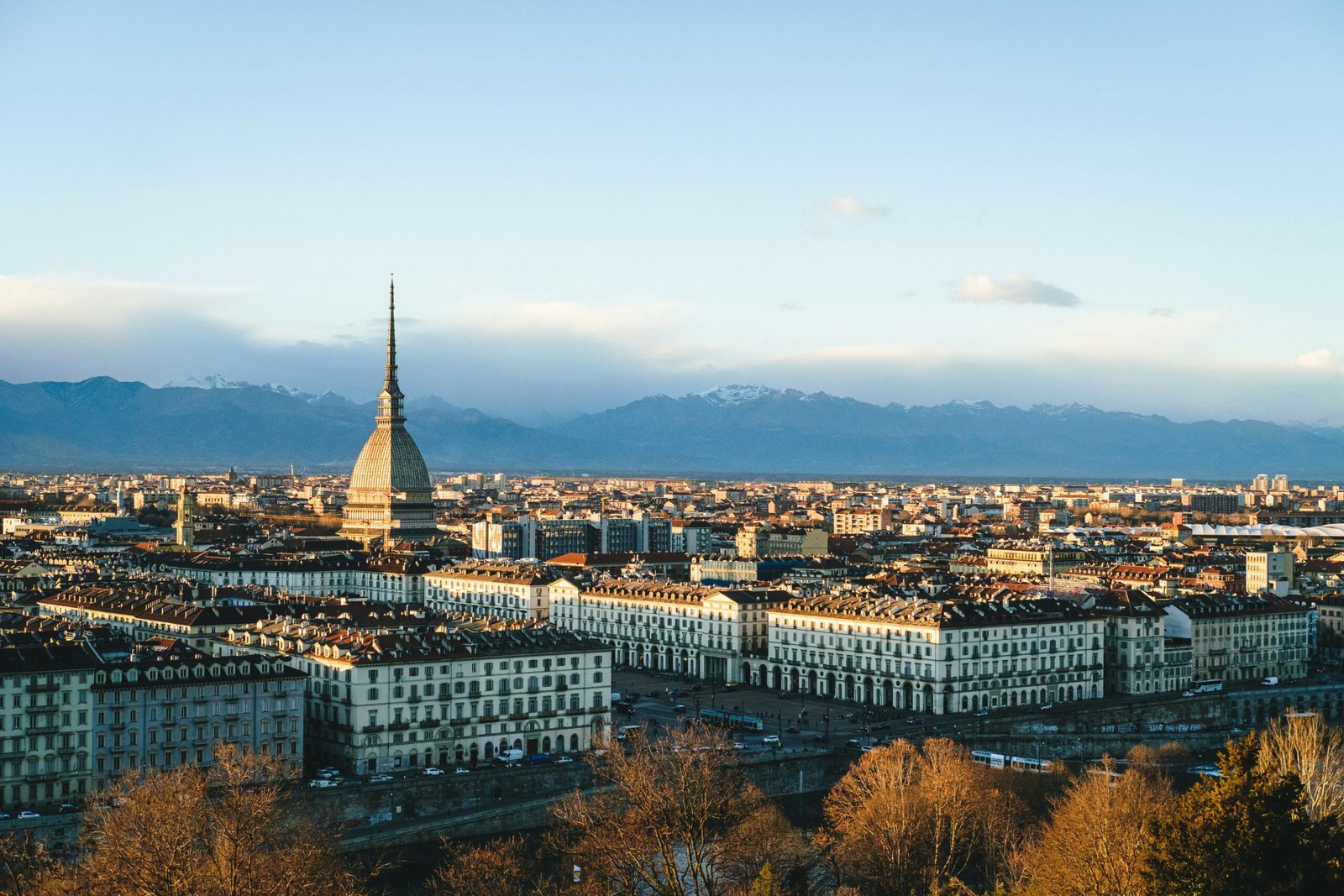
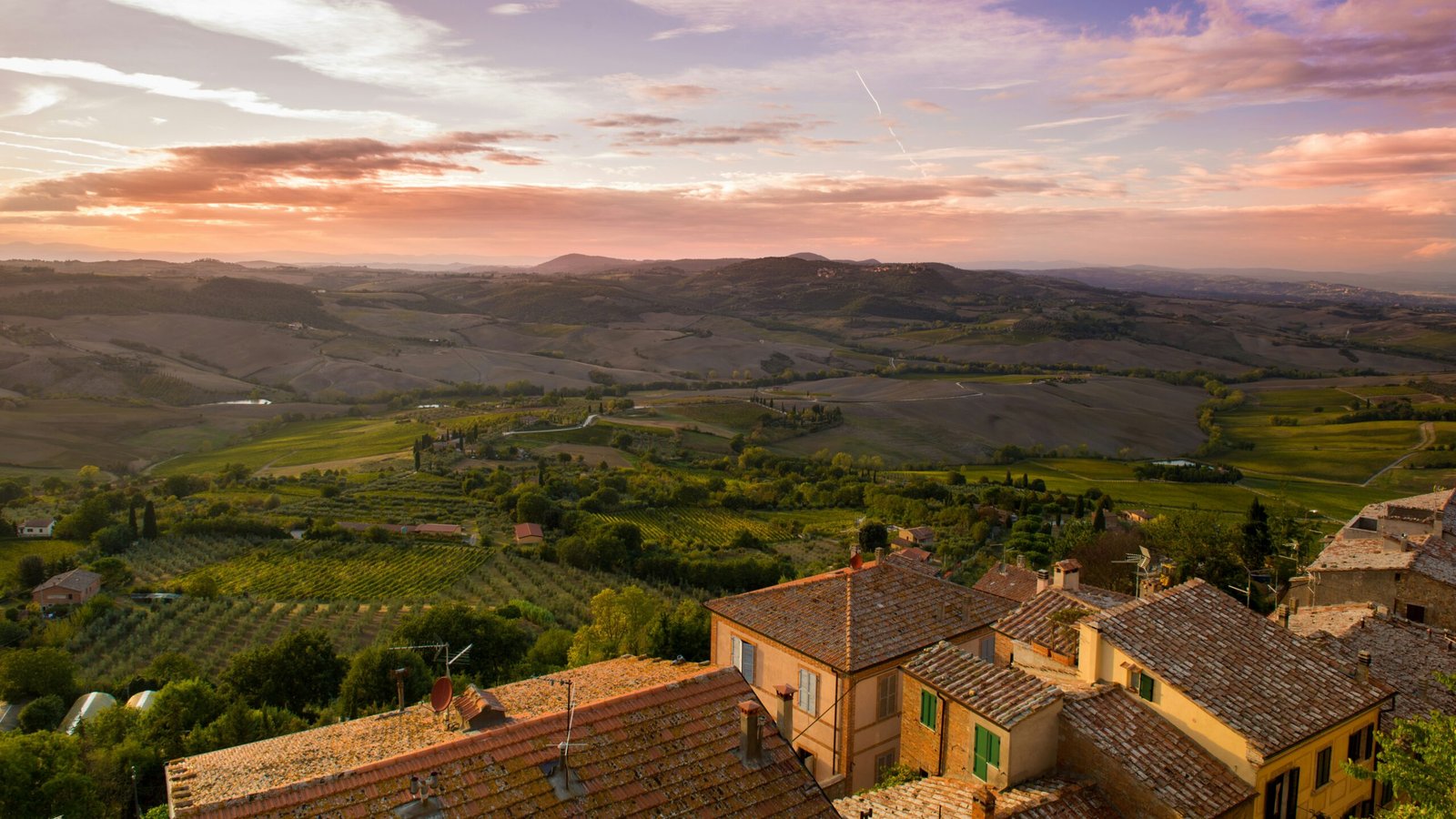
The strongest markets often remain the most obvious ones. Milan still offers business access, international schools, and liquidity. Tuscany still has recognition that few rural regions can match. Rome still carries a weight and familiarity that are hard to replace.
None of that has changed. But for buyers thinking beyond a short stay or a prestigious address, these places can begin to feel too exposed, too expensive, or too shaped by outside demand. The appeal remains real. The fit is becoming more selective.
Which Italian regions are gaining attention?
One reason southern Italy deserves more serious attention is that the economic picture there has improved. Reuters reported in October 2025 that the south, long seen as the weaker half of the country, had been showing a brighter outlook, helped by infrastructure spending and post-Covid recovery investment. From 2022 to 2024, the south’s GDP grew 8.6%, compared with 5.6% nationally. Sicily, Campania, and Calabria all benefited from stronger construction activity and employment growth, though Reuters also noted that the longer-term picture still depends on better healthcare, education, and public services.
That is a good reason to stop treating the south as an afterthought. The old habit of dividing Italy into obvious winners and obvious laggards now looks too simple.
Some southern regions are becoming more plausible not only for tourism, but for seasonal living, second homes, and longer family stays. The appeal often comes from a different mix of qualities: lower density, more space, better day-to-day value, and a rhythm that can feel closer to the Italy many international buyers imagine in the first place.
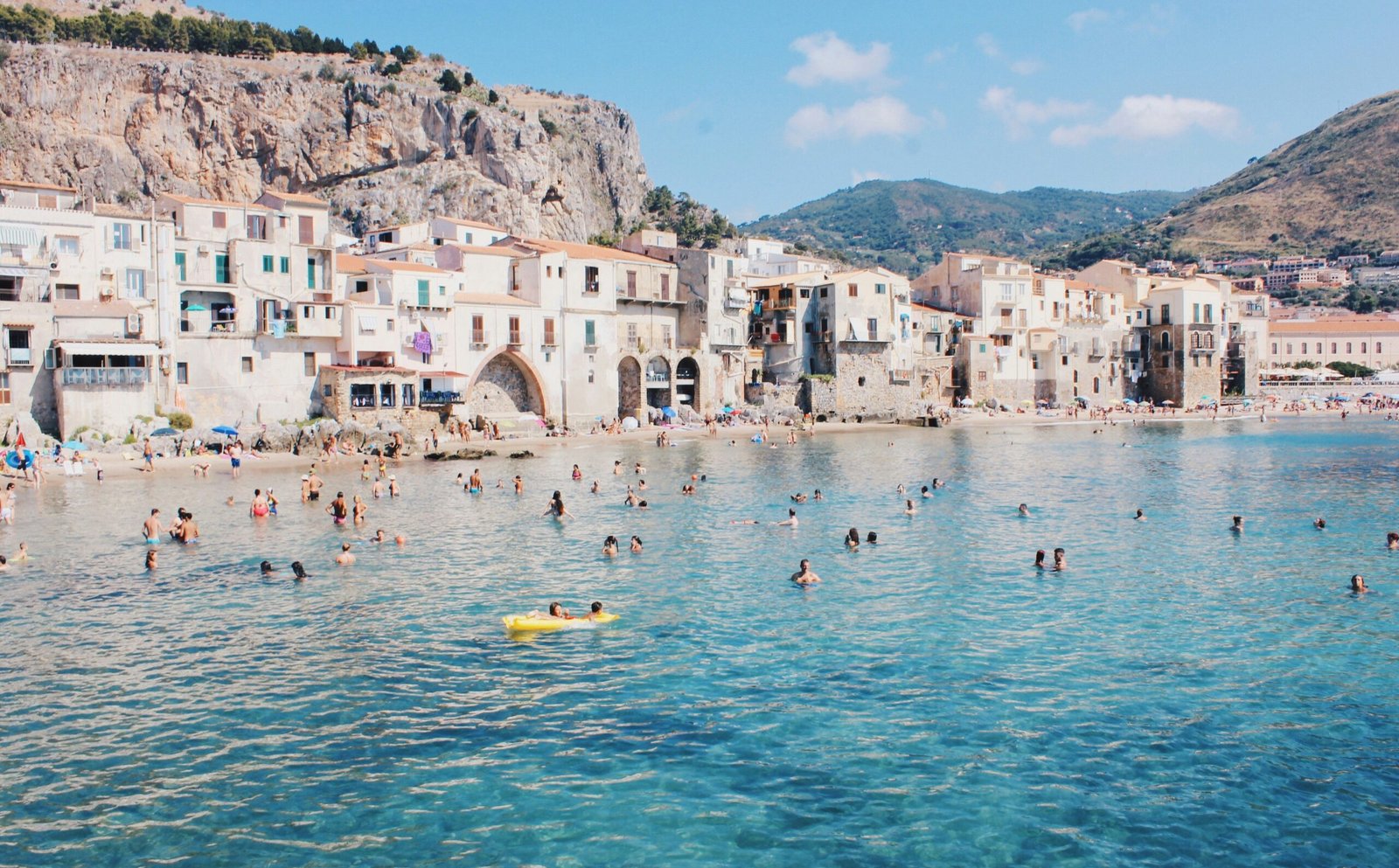
Sicily is a good example. Reuters reported last year that while Rome, Venice, and other pressure points were dealing with crowding, parts of southern Italy saw tourism as an opportunity. In Palermo, tourism growth was linked to urban renewal, rising property values, and new business activity, even as local officials dealt with concerns about short-term rentals and the need to protect neighbourhood character.
That helps explain why Sicily is drawing attention. It remains large, varied, and still able to absorb interest without feeling fully saturated.
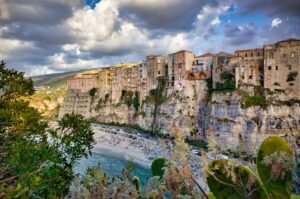
Calabria is another region worth watching. The case is less developed, but the direction is worth noticing. Better access, lower density, and more room for a buyer to enter before a market becomes overexposed are all part of the appeal. That does not make Calabria a mature international market. It does make it more relevant than many outsiders assume. The broader shift in southern Italy gives that view more weight.
Secondary cities and regional hubs also deserve attention. The shift is not only coastal or southern. More buyers appear willing to trade a famous postcode for a place with stronger daily livability, more manageable density, and a better sense of proportion.
Is southern Italy becoming more attractive for second homes?

In many cases, yes, but the answer needs care.
Southern Italy is becoming more attractive because it offers a combination that some prime markets struggle to provide: more space, lower density, and better day-to-day value. Recent Reuters reporting also suggests the south has been gaining economic momentum in areas such as construction and employment.
Tourism matters here too. Reuters’ reporting from Palermo showed how rising visitor numbers can support urban renewal, local business activity, and wider interest in an area that had long been overlooked in international buying conversations.
Still, southern Italy is not one market. Sicily, Calabria, and Campania each have different strengths and weaknesses. A region can be appealing for lifestyle reasons and still fall short on services, transport, or long-term resale depth. This should be read as a map of attention, not a blanket recommendation.
What makes a region in Italy attractive for long-term living?
The filters shaping buyer decisions have changed.
Airport access matters. So does healthcare. A town has to work outside August. Daily life needs to be manageable without constant friction. Buyers are often looking for local character, but also for a place that can be used comfortably over time.
A destination that photographs well is one thing. A place that can hold family life for several months asks something more.
This helps explain why some buyers are moving away from a single prestige template. They are thinking less about status and more about use. That may mean a regional city with good rail links and cultural depth. It may mean a southern coastline with improving access. It may mean a town that feels less polished and more grounded.
The widening of the map also says something about the kind of international buyer Italy is attracting. A family thinking in terms of several months a year, or a semi-retired couple looking for a flexible European base, is often less interested in owning the most recognisable name and more interested in finding the place they will actually use.
Are cheaper parts of Italy always a better option?
No.
Cheaper or less crowded does not automatically mean better. Some areas remain inexpensive because jobs are limited, bureaucracy is slow, or healthcare and education options are uneven. Reuters’ reporting on the south’s recovery was clear on this point: stronger growth does not remove the need for better social infrastructure.
Rising tourism does not guarantee a stable or liquid second-home market in every region either. Palermo’s recent tourism growth is encouraging, but even there the local debate already includes housing pressure and the effect of short-term rentals.
Buyers still need to judge each location on its own terms. Price matters, but so do access, services, legal practicality, and whether a place truly works over time.
For some international buyers, this wider view of Italy also changes how they think about access. A second home or a longer seasonal stay is one thing. Having the right to spend more time in Italy, and to build a more flexible European base, is another. That is part of why the Italian Golden Visa continues to matter for a certain kind of investor.
It appeals less to people looking for a quick transaction and more to those who want a credible investment, practical residency rights, and the option to deepen their relationship with Italy over time. At Ariete Capital, that is usually where the conversation begins. Not with a postcode alone, and not with a visa alone, but with the broader question of what kind of life, capital base, and long-term presence in Italy actually make sense.
What this shift says about Italy today
Italy’s famous destinations will remain famous. They should. Milan, Tuscany, Rome, and Lake Como still have reasons for their status.
The next phase of international demand may have less to do with the old postcard circuit and more to do with those parts of the country that still feel open, workable, and proportionate. Recent tourism data from ENIT, reporting on over-tourism in the north, and economic reporting from the south all point in the same direction: international interest in Italy is becoming more geographically sophisticated.
Buyers and long-stay visitors are asking better questions than they used to. They are looking for room, rhythm, and practical access, not only prestige.
That is a broader understanding of what Italy can offer.
FAQ
Are buyers moving away from Milan and Tuscany?
No. Milan and Tuscany remain highly attractive. What is changing is that more buyers are also considering other parts of Italy that offer more space, lower density, and better day-to-day value.
Which parts of Italy are gaining more attention?
Southern regions such as Sicily and Calabria are drawing more attention, along with secondary cities and regional hubs that offer access, livability, and room for longer stays. Reuters’ reporting on the south’s economic recovery and Palermo’s tourism growth supports that trend.
Is southern Italy a better value than northern Italy?
In many cases, yes, especially in terms of space and day-to-day cost. But value depends on access, healthcare, local services, and how well a place works outside the holiday season.
Is rising tourism enough to make a region a good property market?
No. Tourism can help, but it does not guarantee a stable or liquid second-home market. Buyers still need to think about infrastructure, services, and long-term usability.