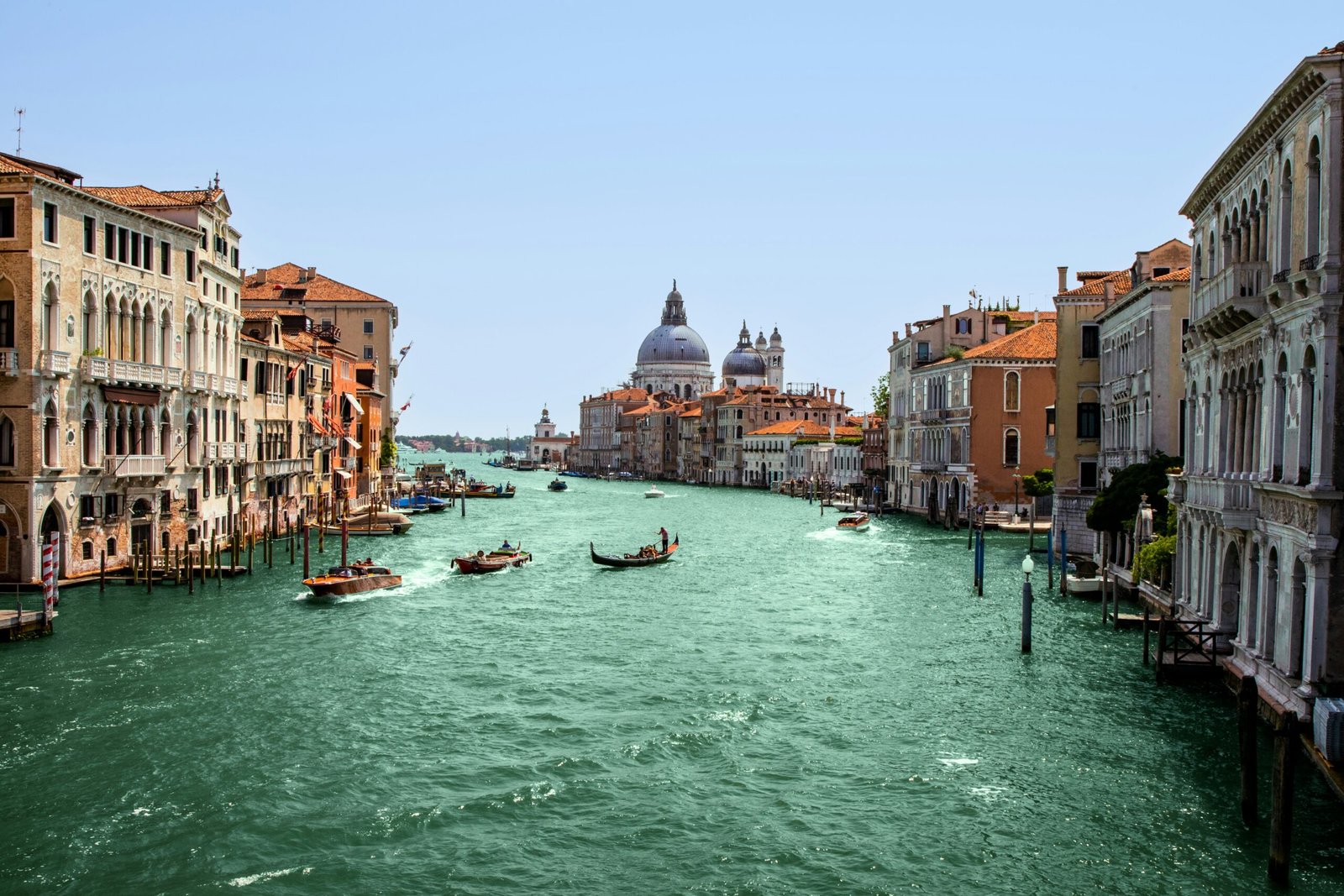

For many Americans, Italy represents more than a relocation. It offers a slower rhythm, a rich cultural backdrop and a way of living built on connection and continuity. Moving to Italy from the USA requires planning and an understanding of how Italian systems work. The steps are clear, and those who approach them with patience often find that the process becomes far more straightforward than they expected.
This guide provides a grounded overview for anyone considering a life in Italy. It explains the residence options available to US citizens, the practical matters that shape daily living and the adjustments that help newcomers settle into a country with deep habits and long memory.
Understanding what it means to live in Italy
Italy is a modern country with strong regional identities. Life in Milan differs from life in Puglia, and both differ from Florence, Turin or Rome. Many Americans find that this variety is one of Italy’s strengths. You can choose a fast-paced urban environment, a coastal town, a mountain region or a quieter provincial city without crossing borders.
The most significant shift for many newcomers is Italy’s relationship with time. Conversations matter. Decisions often unfold with more deliberation. What may feel urgent in the United States is handled with a steadier hand here.
The residence permits available to Americans
Moving to Italy from the USA requires a long-stay visa and, after arrival, a residence permit. Italy offers several routes, each designed for a different intention. Selecting the correct route is important because each carries its own rights and conditions.
Elective Residence Visa
This route suits individuals who can support themselves financially without working in Italy. Many retirees and financially independent Americans choose it. It requires documented income and accommodation in Italy. It does not allow work, so it fits those who want a lifestyle shift rather than a professional one.
Work Visa
Americans who receive an Italian job offer may apply for a work visa. Italy operates an annual quota system for many categories, and employers must show that the role meets the requirements for a non-EU hire. This makes the process more structured than many expect, but it remains a viable path for specialised roles.
Self-Employment Visa
Italy allows non-EU nationals to carry out self-employed activity, though this requires specific authorisations. Professionals, entrepreneurs and freelancers who want to build a practice in Italy often consider this route. It calls for proof of economic activity, qualifications and, when applicable, professional registrations.
Student Visa
Many Americans first come to Italy as students. Italian universities offer respected programs in art, design, engineering, architecture and the humanities. Student visas allow study and limited work hours. After graduation, some move to work permits or other categories.
Investor Visa
While this guide focuses on general relocation, the investor visa is worth noting because it offers residency without requiring relocation. Several American families begin here because it gives them time to understand Italy before deciding whether to move permanently.
Finding a place to live
Housing varies widely across Italy. Major cities such as Milan and Rome have competitive markets, while smaller cities and towns offer more space at lower cost. Many Americans start with a rental contract. Renting first allows time to learn the neighbourhood, understand daily routines and identify what matters most before considering a purchase.
Italian leases often run for multiple years and have specific notice periods. Reviewing contracts carefully is essential.
Healthcare as a resident
Once you hold a residence permit, you can register with Italy’s National Health Service. Some categories enrol at no cost, while others pay an annual contribution. Registration provides access to family doctors, specialists and hospitals. Private healthcare is also widely available and often used alongside the public system.
Education options for families
Education is central for families moving to Italy from the USA. Italy offers strong public schools, private schools and a growing number of international institutions. Younger children usually adapt quickly to Italian classrooms. Older students often choose international schools that offer continuity while still giving them exposure to Italian culture.
Italian universities remain a strong draw for Americans, especially in fields where the country has deep tradition. Tuition tends to be more accessible than in the United States, which makes long-term study a realistic option for many families.
Cost of living and daily life
The cost of living varies by region. Milan and Rome are at the higher end, while many smaller cities offer comfortable living at a more moderate cost. Groceries, local markets, regional travel and cultural activities tend to be more accessible than in many American cities.
Daily life revolves around local shops, regular markets and a strong social fabric. Many Americans find that Italy encourages them to slow down, walk more and engage with their surroundings.
Driving, transportation and mobility
Public transport is reliable in most cities, and trains connect the country efficiently. High-speed lines make travel between major cities simple. Americans who plan to drive will eventually need an Italian licence. During the first year after arrival or establishing residence, a US licence combined with an International Driving Permit is generally accepted. After that period, an Italian licence becomes necessary.
Cultural integration
Moving to Italy involves more than documents. It requires a shift in expectations. Italians value conversation, relationships and the rituals that shape daily life. Learning some Italian is one of the most effective ways to integrate. Even simple phrases signal respect and often change the quality of the interactions that follow.
Understanding local customs also helps. Mealtimes have their own rhythm. Work schedules differ from American patterns. Administrative matters require patience. None of this should discourage newcomers. Italy rewards those who approach it with attentiveness and a willingness to adjust rather than resist.
Taxes and long-term planning
Americans remain subject to US tax obligations even after they move abroad. Coordinating Italian and US rules is essential. Italy has tax treaties and specific regimes for certain categories. Anyone considering long-term residence should consult advisers who understand both systems.
Over time, residents may qualify for EU long-term residence after meeting the conditions, and for citizenship after ten years of continuous legal residence.
Moving to Italy from the USA is not a single decision. It is a gradual process that shapes how a family lives, thinks and invests its time. Italy offers depth and continuity for those who value a considered way of living. With preparation and the right expectations, the move becomes less about administration and more about creating a life that feels grounded and meaningful.
For many Americans, that is what draws them to Italy in the first place.